
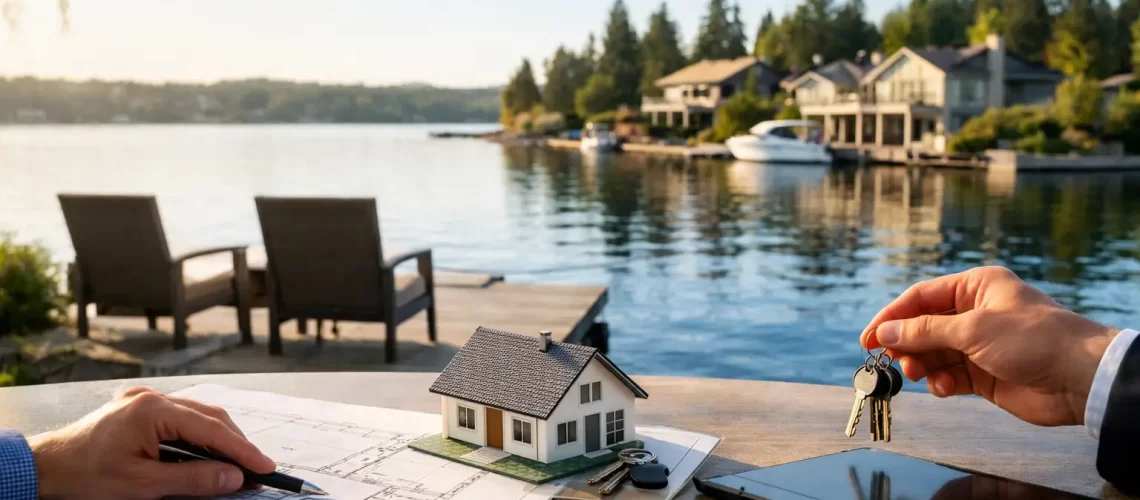
The view can make people rush. A wide bay, a protected canal, a stretch of sand, and suddenly the usual homebuying checklist gets replaced by emotion. That is exactly why learning how to buy waterfront property the right way matters. A beautiful setting can absolutely be worth it, but waterfront homes come with layers of risk, cost, and maintenance that buyers need to understand before they fall in love.
For many buyers, the goal is not just to own a home with a view. It is to own one that fits their lifestyle, holds value, and does not create avoidable surprises after closing. In waterfront markets across Florida, that means looking past the photos and asking better questions early.
How to buy waterfront property without missing the real costs
Waterfront homes often carry expenses that inland buyers do not face in the same way. The purchase price is only part of the story. Insurance, flood exposure, seawall condition, dock maintenance, salt air wear, drainage, and future repair costs all affect what ownership actually feels like.
A home on open water may offer broader views and stronger appeal, but it may also face more wind, wave action, and weather exposure. A canal-front property might offer easier boating access in some cases, while in others it may have bridge restrictions, shallow water at low tide, or less privacy. Gulf-front and beach-area properties can have their own set of issues, especially around erosion, storm exposure, and building requirements.
This is where buyers benefit from slowing down and comparing not just homes, but waterfront types. Not all waterfront is equal. A protected lot with a well-maintained seawall and manageable insurance profile may be a better fit than a more dramatic property that stretches the budget every year after purchase.
Start with lifestyle, not just location
The best waterfront purchase usually starts with a simple question: how do you actually plan to use the property?
If you want to keep a boat behind the house, the conversation is different than if you only want sunset views. Boaters need to think about dock condition, water depth, bridge clearance, lift capacity, and how quickly they can reach open water. Buyers who want a quieter daily experience may care more about privacy, traffic, noise, and whether the view will stay intact over time.
For some households, a condo on the water makes more sense than a single-family home. It can reduce exterior maintenance, though it introduces association rules, shared costs, and another layer of due diligence. For others, direct water access is non-negotiable, even if the home itself needs updating.
When your priorities are clear, decision-making gets easier. Instead of getting pulled in by every attractive listing, you can evaluate whether a property really matches the life you want to live there.
Do not treat flood zones as a small detail
One of the most important parts of how to buy waterfront property is understanding flood risk in practical terms. Buyers often hear the word flood zone and either panic or dismiss it. Neither response is especially helpful.
Flood zones affect insurance costs, lender requirements, and long-term ownership planning. They also do not tell the full story by themselves. Elevation, construction type, history of water intrusion, improvements made by prior owners, and the specific location on the lot all matter.
A home can be waterfront and still feel relatively manageable from a risk perspective, while another may present more serious concerns than buyers realize at first glance. Ask for available elevation information, insurance history when possible, and details about any prior flooding or storm-related repairs. If a seller has completed mitigation work, understand what was done and whether documentation exists.
In coastal Florida markets, this step is not optional. It is part of responsible buying. A trusted local real estate advisor can help buyers understand how flood exposure interacts with property type, neighborhood norms, and resale appeal.
Insurance deserves early attention, not last-minute attention
Insurance is one of the biggest reasons waterfront buyers feel blindsided. Many assume they will sort it out after going under contract. In reality, it is smarter to start the conversation early.
Beyond standard homeowners coverage, waterfront buyers may need to think about flood insurance and, depending on the property, wind-related considerations. Premiums can vary significantly based on age, elevation, roof condition, updates, and exact location. Two homes on the same street may not carry the same insurance profile.
Getting realistic insurance estimates before you are emotionally committed can save time and stress. It also helps you set a budget based on the full monthly ownership picture, not just principal, interest, taxes, and association dues.
If a property stretches you financially before insurance and maintenance are fully accounted for, it may not be the right fit, no matter how compelling the setting is.
The water-facing features need real scrutiny
A waterfront home has systems and structures that many inland properties do not. These features can be valuable, but they can also be expensive to repair.
Seawalls are a major example. A seawall in poor condition can become a substantial issue, both functionally and financially. Docks and boat lifts should also be evaluated carefully. Their condition, age, materials, permits, and usability all matter. Even if you do not plan to boat immediately, these elements affect resale and ongoing maintenance.
Drainage is another area buyers should pay close attention to. After heavy rain, where does water go? Does the yard hold water? Has the seller addressed erosion? Are there signs of repeated moisture issues around the structure?
A general inspection is important, but waterfront properties often justify more specialized review depending on the home and site conditions. This is one of those moments where being thorough upfront is usually much less expensive than being surprised later.
How to buy waterfront property with resale in mind
Even if you plan to stay for many years, resale still matters. Buyers sometimes assume any waterfront home will always be easy to sell at a premium. That is not necessarily true.
Value tends to hold best when a property offers a combination of usable waterfront features, manageable carrying costs, solid condition, and broad buyer appeal. A home with spectacular views but difficult access, unusually high operating costs, or deferred maintenance may attract admiration without attracting strong offers.
Look at the property through two lenses at once: your own lifestyle and the likely next buyer’s perspective. Will future buyers appreciate the same features you do? Is the floor plan functional? Is parking adequate? Is the outdoor space truly usable? Are there limitations that may narrow the buyer pool later?
This is especially relevant in places like St. Petersburg and surrounding coastal communities, where buyers are often comparing waterfront homes with very different water exposure, lot conditions, and access points within a relatively small geographic area.
Due diligence matters more when the home feels special
The more unique a property is, the less you can rely on broad assumptions. Waterfront homes are often highly individual. Orientation, lot shape, shoreline improvements, renovations, and neighborhood micro-location can all influence value and livability.
That is why strong due diligence is not about being pessimistic. It is about protecting your excitement with facts. Review disclosures carefully. Ask direct questions. Compare recent sales thoughtfully rather than assuming every nearby waterfront address is equivalent. Understand what you are buying, what you are maintaining, and what your flexibility may be in the future.
This is also where a relationship-driven brokerage can make a meaningful difference. Buyers need more than access to listings. They need someone who can point out the less obvious considerations, coordinate the right conversations, and help them stay clearheaded when a property tugs hard at the heart.
A smart waterfront purchase feels good on paper too
There is nothing wrong with buying a home because it makes your shoulders drop the moment you see the water. That emotional pull is part of the appeal. The mistake is treating emotion as enough.
The strongest waterfront purchases usually balance beauty with practicality. The home suits your day-to-day life. The carrying costs are sustainable. The site conditions are understood. The inspection process answers the hard questions instead of avoiding them. And the purchase still makes sense when you look at it on an ordinary Tuesday, not just during a perfect sunset showing.
If you are serious about how to buy waterfront property, let the view draw you in, then let the details guide you the rest of the way. The right home on the water should feel exciting, but it should also feel sound.
