
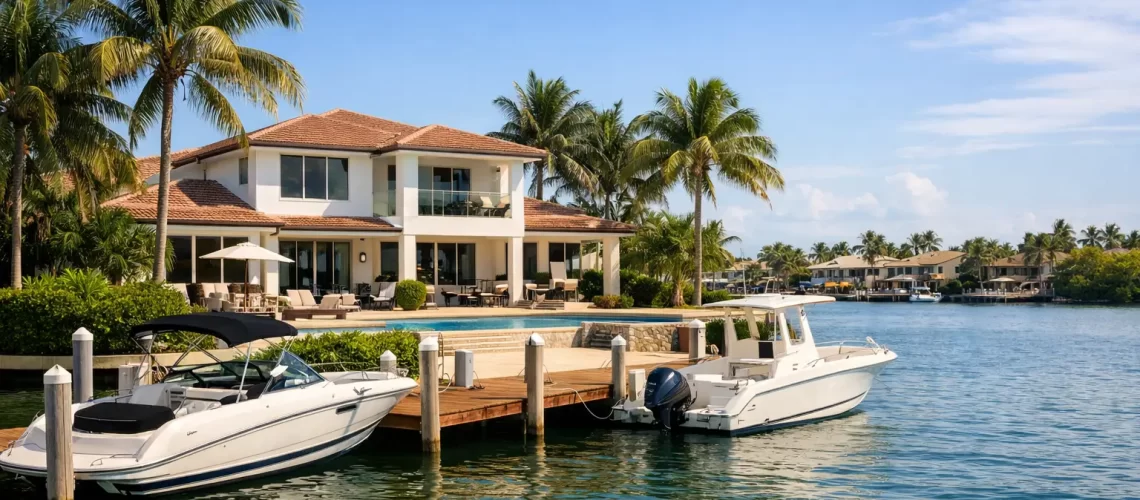
A sunset over open water can make almost any home feel irresistible. That is part of the appeal of waterfront homes Florida buyers are drawn to every day – the view, the light, the breeze, and the sense that home should feel a little more like a getaway. But the smartest waterfront purchase is never just about the view. It is about understanding the property behind it.
For many buyers, the first surprise is how different one waterfront home can be from another. A condo on the Gulf, a canal-front pool home in St. Petersburg, and a bayfront property with a private dock may all be labeled “waterfront,” but they come with very different ownership costs, maintenance needs, and lifestyle trade-offs. Buying well means looking past the marketing photos and getting clear on what daily ownership will really feel like.
What waterfront homes Florida really include
“Waterfront” is a broad category, and that matters more than people expect. Some homes sit directly on open water with wide views and more exposure to wind and weather. Others are on protected canals, where boating access may be easier but bridges, water depth, and clearance become part of the conversation. Beachfront condos offer low-maintenance living and immediate access to sand, but they also bring association rules, fees, and building-level considerations that differ from single-family ownership.
The type of waterfront setting often shapes the experience as much as the home itself. If your priority is boating, the right dock and water access may matter more than a dramatic sunset. If you want a lock-and-leave second home, a condo with managed exterior maintenance may feel more practical than a house with a seawall, pool, and landscaping. If you want peace and privacy, a canal lot near busy boat traffic may not deliver the atmosphere you imagined.
That is why the first step is not simply asking, “How much waterfront can I afford?” It is asking, “What kind of waterfront life do I want?”
The real cost of waterfront ownership
Waterfront homes usually carry a premium, but the purchase price is only part of the equation. Insurance is often the biggest adjustment for buyers moving from inland properties. Depending on elevation, flood zone, age of the home, and construction details, insurance costs can vary widely from one property to the next.
This is one area where assumptions can get expensive. Two homes with similar prices and similar views may have very different monthly ownership costs once flood insurance, wind coverage, and maintenance are factored in. Newer construction or updated systems can help, but there is no one-size-fits-all rule. Buyers need property-specific information, not general guesses.
Maintenance also tends to be more active on the water. Salt air, moisture, sun exposure, and storm conditions can shorten the life of exterior materials and mechanical systems. Windows, doors, roofs, paint, decking, docks, boat lifts, pools, and seawalls all deserve close attention. None of this means waterfront ownership is a bad idea. It simply means the right purchase is one that fits both your budget and your tolerance for upkeep.
Waterfront homes Florida buyers should inspect closely
A standard home inspection is important, but waterfront properties usually need a more layered review. The seawall is a major example. A beautiful backyard loses some shine if the seawall is failing or nearing the end of its useful life. Repairs and replacement can be significant, so understanding condition, age, and any visible concerns is essential.
Docks and lifts deserve the same level of scrutiny. If a home is marketed to boaters, buyers should confirm whether the dock is permitted, how it has been maintained, and whether the water depth and access actually work for the type of vessel they own or plan to own. Bridge clearance can quickly turn a “boater’s dream” into a frustrating compromise.
Inside the home, buyers should pay special attention to signs of moisture intrusion, prior storm impact, and the quality of renovations. On waterfront properties, cosmetic updates can sometimes distract from more important structural or environmental questions. A smart purchase comes from understanding both the finishes and the fundamentals.
Flood zones are not a small detail
Flood zones can influence insurance requirements, renovation considerations, and long-term ownership costs. They should never be treated like a minor checkbox late in the process. Buyers deserve to know what flood zone a property is in, whether the structure has useful elevation advantages, and how that may affect affordability over time.
This is also where context matters. Being in a flood zone does not automatically make a property a poor choice. Many desirable waterfront homes are. The issue is not panic – it is preparation. When buyers understand the property clearly, they make stronger decisions and avoid surprises after closing.
Lifestyle fit matters as much as resale value
It is easy to focus on appreciation potential with waterfront real estate, and yes, scarcity does support long-term desirability in many coastal markets. But the best waterfront purchase is still one that works for your life.
Some buyers love the activity of open water, frequent boating, and entertaining outdoors. Others picture a peaceful morning coffee by the water and realize later that weekend marine traffic, maintenance demands, or exposure to weather feels less relaxing than expected. Waterfront living can be incredible, but it is best when the property matches your habits, not just your aspirations.
If you are downsizing, the convenience of a well-managed condo may outweigh the romance of maintaining a larger house. If you are buying for multigenerational use, layout and safety around water may matter more than lot size. If this is a full-time residence, commute patterns, storm preparation, and everyday practicality should carry real weight alongside the emotional pull of the location.
Why local guidance matters with waterfront homes Florida
The details that shape a good waterfront purchase are highly local. One neighborhood may be known for boating access to open water without fixed bridges. Another may offer calmer canal settings but less flexibility for larger vessels. Two nearby homes may look similar online, while one has stronger elevation, a newer seawall, and more favorable insurance dynamics.
This is where working with a local advisor makes a real difference. In waterfront real estate, broad market knowledge is helpful, but street-level context is often what protects the buyer. An experienced local brokerage can help assess not just the home, but also how the block, water access, building style, and condition compare with nearby opportunities.
For buyers relocating to Florida or purchasing from out of area, this matters even more. What looks straightforward on a listing page can become much more nuanced once you account for inspections, flood considerations, dock functionality, and neighborhood patterns. Kinest Realty helps clients sort through those variables with practical guidance and clear communication, which is especially valuable when the purchase is both financially significant and emotionally meaningful.
How to shop smarter without losing the excitement
There is a balance to strike with waterfront shopping. You want to stay inspired, because this kind of purchase should feel exciting. But you also want a process grounded in facts.
Start by narrowing the lifestyle priorities that truly matter. Is direct boating access essential? Do you want a condo or a single-family home? Are you comfortable with more maintenance in exchange for privacy and land? Once those answers are clear, it becomes easier to compare properties in a useful way.
From there, treat each home as its own case study. Ask about flood zone, insurance history, seawall condition, dock permits, age of major systems, and any known storm-related repairs. Review disclosures carefully. Use inspections not as a formality, but as a decision-making tool. A strong waterfront purchase usually comes from patience and clear standards, not from rushing to secure the prettiest view.
It also helps to accept that every waterfront property involves trade-offs. The home with the best water view may have more weather exposure. The one with easier maintenance may offer less privacy. The one with the ideal dock setup may need interior updates. Good decisions come from knowing which compromises you can live with and which ones will bother you every time you pull into the driveway.
Waterfront living in Florida can be extraordinary when the property fits your life, your budget, and your expectations. The right home should bring more than a beautiful backdrop – it should give you confidence in what you are buying, comfort in how you will live there, and a sense that the view is only one part of a decision that was made well.
