
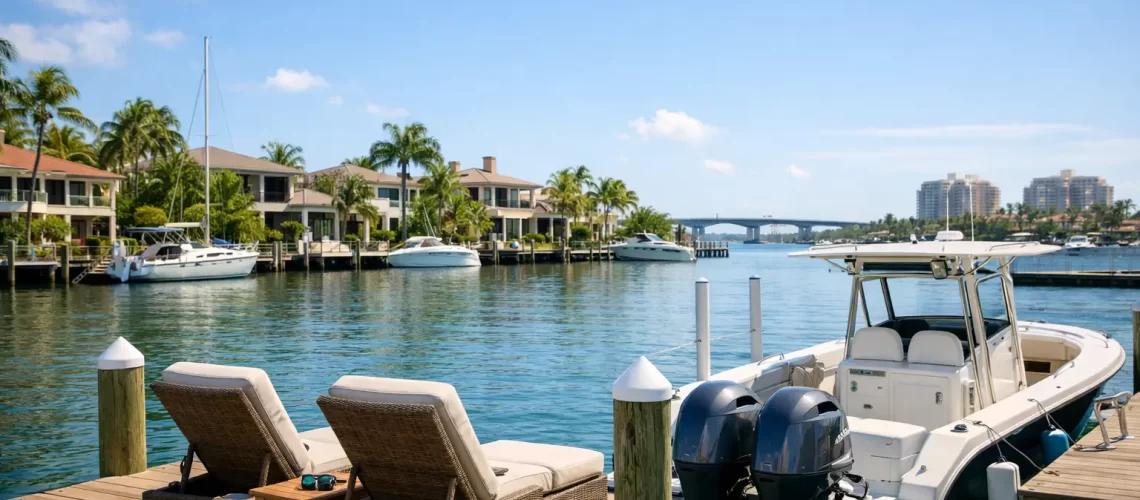
Waterfront homes in Pinellas County can look similar in a listing photo and feel completely different in real life. One property offers open water views and a usable dock. Another has canal access but limited clearance, higher flood exposure, or ongoing seawall concerns. A good pinellas county waterfront guide should help you see past the view and understand what you are really buying.
For many buyers, the appeal is immediate. You picture morning coffee by the water, sunsets from the pool, or easy boat access on the weekend. Those lifestyle benefits are real, but so are the practical questions. In this market, the smartest waterfront decisions come from balancing beauty, budget, maintenance, and long-term usability.
What makes Pinellas waterfront living unique
Pinellas County offers more variety than many buyers expect. Waterfront can mean Gulf-front condo living, protected boating canals, open bay views, intracoastal frontage, or homes near marinas and beaches with partial water exposure. A waterfront purchase in St. Petersburg may feel very different from one in Clearwater, Dunedin, or Tierra Verde, even at a similar price point.
That variety is part of the draw. Some buyers want direct boating access with no fixed bridges. Others care more about walkability, storm resilience, or lock-and-leave convenience. A retiree downsizing from a larger home may prioritize low-maintenance condo ownership, while a family may prefer a single-family property with a backyard, pool, and room for guests.
The right fit depends on how you actually plan to live. Waterfront is not one category. It is several distinct lifestyles under one label.
A practical Pinellas County waterfront guide to property types
Single-family waterfront homes tend to attract buyers who want privacy, outdoor space, and control over their property. These homes may include docks, lifts, seawalls, pools, and more direct interaction with the water. They also typically come with more responsibility. Maintenance is higher, and inspections matter more because there are simply more systems and structures exposed to salt, wind, and moisture.
Beachfront and waterfront condos appeal to buyers who want the view without handling every repair personally. That convenience can be worth a lot, especially for second-home owners or buyers who travel often. At the same time, condo ownership adds another layer of review. Monthly fees, reserve funding, milestone inspections, building condition, rental rules, and insurance structure all deserve careful attention before you commit.
Canal-front homes are popular with boaters because they often offer calmer water and easier docking than more exposed locations. But canal properties are not all equal. Water depth, bridge clearance, channel width, and travel time to open water can change the value and usability significantly.
Open water homes often deliver the views buyers dream about, but they can also come with more exposure to wind, wave action, and storm impacts. That does not automatically make them a bad choice. It simply means the romance of the setting should be weighed alongside the realities of ownership.
The questions smart buyers ask before they fall in love
The first question is usually not the most important one. Buyers often start with, “Is this a good price?” A better place to begin is, “Does this property work for the way I live?”
If you boat, ask whether the dock setup matches your vessel now, not the one you might own someday. Check lift capacity, water depth, access at different tides, and whether there are fixed bridges between the home and open water. If you do not boat, a dock may still add value, but it may not justify paying a premium if your real priority is simply a peaceful view.
Flood zone information should also be part of the conversation early. Buyers do not need to panic when a property sits in a flood zone, because many waterfront homes do. What matters is understanding elevation, flood insurance implications, prior claims if known, and what future improvements could require. Two neighboring properties can carry very different risk profiles.
Then there is the shoreline itself. Seawalls, docks, pilings, lifts, and waterfront decking can be expensive to repair or replace. These are not cosmetic items. Their condition affects safety, usability, and future budget planning. A home that looks beautifully updated inside may still have major exterior marine infrastructure nearing the end of its life.
Insurance, maintenance, and the true cost of ownership
This is where a lot of waterfront searches become more serious. The monthly payment is only part of the picture. Insurance costs can vary widely based on location, construction details, elevation, age of roof, and prior updates. Buyers who come in with a realistic budget for both purchase and ownership tend to make stronger, calmer decisions.
Maintenance also behaves differently near the water. Salt air is hard on metal, paint, windows, HVAC systems, and exterior finishes. Pools, decks, boat lifts, and irrigation systems all need more attention. Even landscaping choices may be shaped by wind and soil conditions.
None of this means waterfront living is not worth it. It means the best experience usually comes when buyers choose a property they can comfortably maintain, not just acquire. There is a big difference between stretching for the view and being able to enjoy it.
Neighborhood feel matters as much as the shoreline
A waterfront address can check every technical box and still not feel right. Some buyers want quiet residential streets and a more tucked-away atmosphere. Others want to walk to restaurants, parks, or a marina. In Pinellas County, those differences can be dramatic from one area to the next.
St. Petersburg offers everything from luxury condo towers with sweeping water views to boating neighborhoods with broad canals and quick access to Tampa Bay. Gulf beach communities bring a more vacation-like rhythm, but traffic patterns, parking, and seasonal activity may shape day-to-day life more than buyers expect. Places like Dunedin and Safety Harbor can attract buyers who want charm and water proximity without the same exact beachfront setup.
This is one reason local guidance matters. A map can show where the water is. It cannot tell you how a street feels on a Tuesday morning, how exposed a backyard is in summer weather, or whether a “boatable” lot actually suits the kind of boating you do.
Resale value and what holds up over time
A thoughtful pinellas county waterfront guide should also talk about resale, because even buyers planning to stay long term benefit from choosing well. Waterfront generally holds strong appeal, but not every feature contributes equally to future value.
Usable water access tends to matter. So does a well-maintained seawall, a practical dock layout, and a home designed to take advantage of the setting. Views are valuable, but function matters too. A spectacular backyard that becomes difficult to insure or expensive to maintain may narrow the future buyer pool.
Updated homes often attract attention, but the most resilient value usually comes from a combination of good location, sound construction, waterfront usability, and manageable ownership costs. In other words, the prettiest home is not always the wisest buy.
For sellers, these same factors affect pricing strategy and buyer response. Waterfront buyers are emotional, but they are also cautious. They will pay for quality and clarity. They tend to hesitate when condition, insurance, or marine infrastructure is unclear.
How to shop waterfront with more confidence
The best waterfront search is usually narrower than buyers think. Instead of searching every waterfront option in the county, it helps to rank your priorities in order. Start with your non-negotiables. Do you need boating access, low-maintenance ownership, a first-floor primary suite, walkability, or room for multigenerational living? Once those are clear, many tempting but unsuitable properties fall away quickly.
It also helps to expect trade-offs. You may get wider water views but a smaller lot. You may find better boating water but less beach access. A condo may simplify maintenance while limiting storage or rental flexibility. The goal is not finding a perfect waterfront property. The goal is understanding which compromises still support your lifestyle.
This is where an experienced local advisor can make the process feel much less overwhelming. Kinest Realty works with buyers who want the excitement of waterfront living without the costly surprises. That means asking better questions up front, reviewing the details that affect ownership, and helping clients make decisions that feel both confident and personal.
Waterfront homes have a way of pulling at the heart first. That is part of their charm. But the happiest buyers in Pinellas County are usually the ones who pair that emotional connection with clear-eyed due diligence, so the view stays as rewarding on year five as it felt on day one.
