
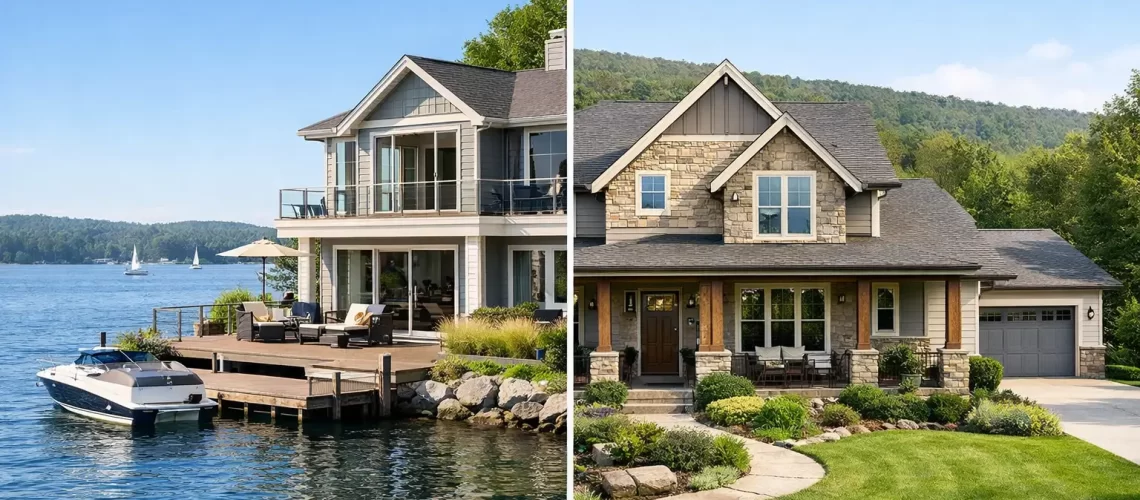
A back patio with open water behind it can feel like the whole reason you moved to Florida. But the day-to-day reality of waterfront home vs inland home is usually less about the view alone and more about how you want to live, what you want to spend, and how much complexity you are comfortable managing.
For some buyers, waking up to the bay, canal, or Intracoastal is worth every extra layer of planning. For others, an inland property delivers more space, easier maintenance, and a simpler ownership experience without giving up the Florida lifestyle they actually use most. The right choice is rarely about which option is better in general. It is about which one fits your priorities best.
Waterfront home vs inland home: what really changes
The biggest difference is not just location. It is the way location shapes cost, upkeep, risk, privacy, and even how often you use your home.
A waterfront property often offers something hard to replicate – direct views, a stronger sense of retreat, and in some cases access to boating, paddleboarding, fishing, or sunset-oriented outdoor living. In places throughout Tampa Bay and Pinellas County, that can be a meaningful lifestyle upgrade, especially for buyers who plan to spend real time outside and want the water to be part of daily life rather than a weekend destination.
An inland home, by contrast, often gives buyers more flexibility. You may get a larger lot, a newer roof, better overall condition, or a more updated interior for the same budget. You may also have less exposure to flood-related concerns and fewer moving parts when it comes to insurance, seawalls, docks, salt air, and weather wear.
This is why the decision deserves a practical lens. A waterfront home can be deeply rewarding, but it tends to ask more of the owner. An inland home can feel less dramatic at first glance, yet often wins on ease and value.
The lifestyle side of waterfront home vs inland home
Lifestyle is where many buyers begin, and for good reason. Real estate is not just a financial decision. It is a quality-of-life decision.
A waterfront home often feels more private, more peaceful, and more visually open. Even a modest home can feel elevated when the backyard ends at the water. There is a rhythm to that setting that many buyers respond to immediately. Morning coffee outside feels different. Entertaining feels easier. The home may serve as both residence and retreat.
That said, the lifestyle premium only matters if you will actually use it. Some buyers picture boating every weekend, then realize they rarely leave the dock. Others imagine constant outdoor living, but the heat, storms, bugs, or upkeep make the reality less frequent than expected. If the water view is the main benefit and your schedule keeps you indoors most of the time, the premium may not feel as satisfying a year later.
Inland living tends to be more practical, but practical is not the same as boring. Many inland homes are closer to parks, neighborhood amenities, shopping corridors, schools, and daily conveniences. If your ideal Florida lifestyle means low maintenance, easy access, and more time away from home without worrying about property exposure, inland may support that better.
Cost goes beyond the purchase price
Buyers often compare list prices first, but ownership costs are where the gap between waterfront and inland becomes much clearer.
Waterfront homes usually command a premium because water is limited and highly desirable. That part is obvious. Less obvious are the ongoing expenses that can come with that premium. Insurance can be more complex depending on flood zone, elevation, age of the home, roof condition, and proximity to open water. Maintenance can also be higher because salt air, moisture, wind, and sun can wear down exterior materials faster.
If the property includes a dock, lift, seawall, pool, or extensive outdoor living space, that is more to inspect, maintain, repair, and budget for over time. None of this means waterfront is a poor choice. It means the total cost of ownership should be understood clearly before you fall in love with the setting.
An inland home often gives buyers more room in the budget. That may translate into a lower purchase price, but it may also create flexibility for renovations, reserves, or simply less monthly stress. For buyers who want predictable ownership costs, inland properties are often easier to model and manage.
Insurance, flood zones, and weather exposure
In Florida, this part matters.
When comparing a waterfront home vs inland home, insurance is not just a line item. It can materially affect affordability and peace of mind. Flood risk, wind exposure, and property age all matter, but waterfront homes often involve a more detailed insurance conversation from the start.
A beautiful home on the water may still be a strong purchase, but buyers should understand how flood zones, elevation certificates, claims history, and current policy availability can influence both cost and future resale. It is also wise to consider how comfortable you are with weather-related uncertainty. Some buyers are completely at ease with it because the lifestyle benefits far outweigh the trade-offs. Others realize they would rather not think about storm prep, flood considerations, or waterfront-specific maintenance every season.
Inland homes are not immune to weather issues, of course. But they can offer a simpler risk profile in many cases, especially for buyers who value predictability. This is one area where local guidance matters because two homes that look similar online can carry very different insurance implications once the address, age, and elevation are reviewed.
Maintenance is where romance meets reality
Waterfront homes ask for a different level of stewardship. That is not a flaw. It is simply part of the package.
Exterior paint and metal can be affected more quickly by salt air. Wood features, decks, and docks need attention. Seawalls age. Drainage matters. Landscaping may need to withstand harsher conditions. If the home sits at a lower elevation or has extensive outdoor features, inspection quality becomes especially important.
For buyers who enjoy managing a property, these responsibilities may feel completely reasonable. For buyers who travel often, split time between homes, or want a lock-and-leave lifestyle, the maintenance side can feel heavier than expected.
Inland homes often provide a more straightforward maintenance path. That can be particularly attractive for first-time buyers, busy professionals, downsizers, or anyone going through a major life transition and wanting fewer variables to juggle.
Resale value and buyer demand
Waterfront homes tend to hold powerful emotional appeal in the market. Scarcity helps, and well-located waterfront property can attract strong demand. But resale is not automatic or simple. Condition, water type, boating access, view quality, flood risk, and insurance environment all influence how the home performs when it is time to sell.
In other words, not all waterfront is equal. A protected canal with boating access may appeal to one buyer pool. Open water exposure with expansive views may attract another. A home with dated systems and a compromised seawall may sit very differently than a well-maintained property with smart updates.
Inland homes can have broad appeal because they are often more affordable and easier to own. That broader buyer pool can be a real advantage. If you may need to sell within a shorter time frame, or if you want to appeal to the widest range of future buyers, inland can be the steadier choice.
This is where strategy matters more than assumptions. A waterfront label alone does not guarantee stronger resale, just as inland does not mean less desirable.
Which buyer tends to be happiest with each?
Buyers who are happiest with waterfront homes usually have a strong emotional reason for wanting the water and a realistic understanding of the extra cost and care involved. They do not just admire the view. They plan to live in it, host around it, boat from it, or make it a central part of daily life.
Buyers who are happiest inland tend to prioritize flexibility, convenience, and value. They often want a home that supports their life without demanding too much attention in return. They may still want to be near downtown, the beaches, or marinas, but they do not need the water in their backyard to feel they made the right Florida move.
Neither approach is more sophisticated. It comes down to fit.
In our local market, this is often where a thoughtful conversation helps most. At Kinest Realty, we see buyers feel much more confident once they stop asking which option sounds better and start asking which option matches how they actually live.
A better question than which is better
Instead of asking whether waterfront or inland is the smarter purchase, ask what you want your ownership experience to feel like. Do you want the emotional lift of a water view every day, even if it comes with higher carrying costs and more moving parts? Or would you rather maximize space, simplicity, and flexibility while still enjoying everything the area offers nearby?
The best choice is the one that still feels right after the showing glow wears off and real ownership begins.
If you are torn between the two, slow the decision down just enough to look past the photos. The right home should support your life, not complicate it.
