
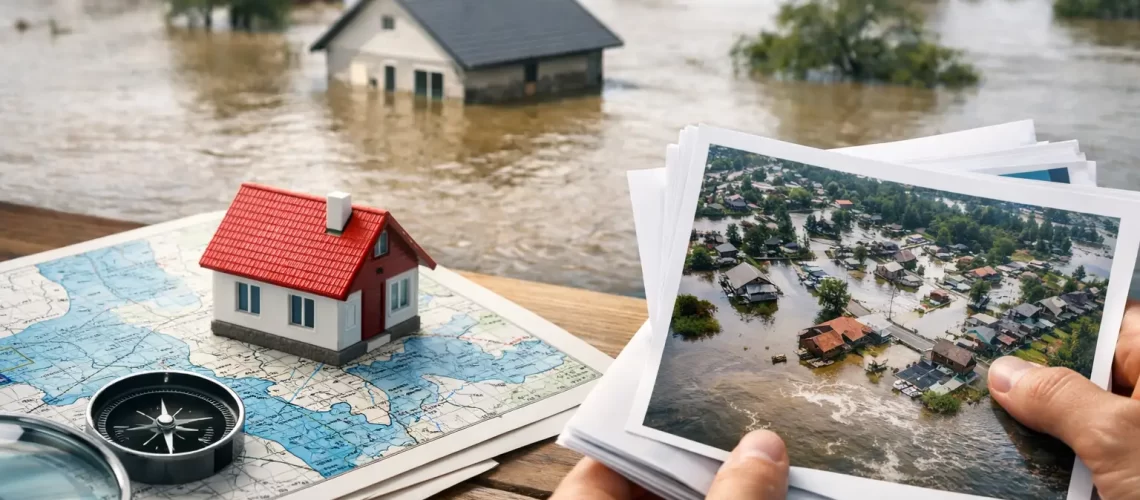
If you are house hunting near the water in Florida, or even a few miles inland, one of the smartest early questions to ask is: what is a flood zone? It sounds technical, but it has very real effects on your costs, your insurance options, your comfort level, and sometimes your resale strategy.
A flood zone is a geographic area defined by flood risk. These zones are typically shown on FEMA flood maps and are used by lenders, insurers, municipalities, buyers, and sellers to understand how likely a property is to flood during certain events. The key point is simple: a flood zone is not just about whether a home has flooded before. It is about how risk is classified based on location, elevation, nearby water, drainage patterns, and mapping data.
What is a flood zone on a home search?
When people first see a property marked with a flood designation, they often assume it means the home is unsafe or uninsurable. That is not necessarily true. A flood zone is better understood as a risk category, not a verdict.
Some homes in higher-risk zones have never experienced flood damage. Some homes in lower-risk zones have still flooded because storms do not always follow map lines neatly. That is why flood zones matter, but they should be interpreted with context.
For buyers, the flood zone can affect whether flood insurance is required by a lender. It can also influence monthly carrying costs, renovation decisions, and long-term peace of mind. For sellers, it can shape how buyers perceive the property and how important it is to explain elevation, improvements, insurance history, and storm resilience.
How flood zones are classified
Flood maps use letter-based designations. You do not need to memorize every one, but it helps to understand the broad categories.
High-risk zones often include labels such as A, AE, VE, or other variations depending on the area and map detail. These zones generally indicate a higher statistical chance of flooding. If a buyer is financing a home in one of these areas, flood insurance is often required by the lender.
Moderate- to low-risk zones may be labeled X or shaded X. In many cases, flood insurance is not required by a lender in these zones, but that does not mean there is zero flood risk. It simply means the property falls outside the highest-risk mapped areas.
Coastal communities can also have special considerations. In parts of Tampa Bay and along the Gulf beaches, factors like storm surge, wave action, and base flood elevation can matter just as much as the basic letter designation.
Why the map is not the whole story
Flood maps are useful, but they are not perfect. They are based on available data, engineering studies, and historical modeling. Conditions can change over time due to development, drainage improvements, erosion, sea level impacts, and updated map studies.
That means two things can be true at once. A home can be correctly mapped in a lower-risk zone and still have exposure during an extreme storm. And a home in a higher-risk zone may be elevated, well maintained, and more resilient than a buyer expects.
What is a flood zone supposed to tell you?
At its best, a flood zone tells you to ask better questions.
It should prompt a conversation about elevation certificates if available, prior flood claims if known, the cost of insurance, the type of foundation, the age of the roof, drainage around the lot, and what happened during recent storms. It should also lead buyers to think beyond the home itself. Road access, neighborhood drainage, and nearby canals or retention areas can all influence real-world flooding experience.
This is especially relevant in coastal and low-lying parts of Florida, where two homes on the same street can have meaningfully different flood exposures because of elevation or lot position.
How flood zones affect insurance
For many buyers, insurance is where the flood zone becomes more than a line on a map. If a property is in a high-risk flood zone and the home is financed, the lender may require flood insurance before closing. Even if it is not required, some buyers still choose to carry it for protection.
The cost can vary widely. It depends on factors such as the zone, the home’s elevation relative to base flood elevation, the age and construction of the home, the amount of coverage selected, and the insurer’s rating approach. Two nearby homes can have very different premiums.
This is one reason it is wise to get insurance quotes early in the buying process, not after you are emotionally attached to the house. A home that feels affordable at first glance may look different once flood insurance is added to the monthly budget.
For sellers, having clear insurance information can help reduce uncertainty. If the current owner has a policy, knows the annual premium, or has documentation showing favorable elevation, that can be helpful context for a serious buyer.
Flood zone vs. flood history
These are related, but they are not the same thing.
A flood zone is a mapped risk category. Flood history is what actually happened to a specific property. Ideally, buyers consider both. A house in a lower-risk zone with a documented flood event deserves attention. A house in a higher-risk zone with no known flooding may still be worth considering, but it calls for careful review.
Neither piece of information should be used in isolation. The stronger approach is to combine map data, seller disclosures, insurance insight, inspection observations, and neighborhood knowledge.
What buyers should look at beyond the zone
When evaluating a home, flood risk should be part of a broader due diligence process. In practice, that means looking at how the property sits on the lot, whether the garage or living area is low, how water drains away from the structure, and whether major systems are elevated.
You should also pay attention to the kind of lifestyle the property offers. Waterfront living, walkable beach access, and certain beautiful low-lying neighborhoods often come with trade-offs. Many buyers decide those trade-offs are worth it. The right decision depends on your budget, risk tolerance, and long-term plans.
For example, a retiree looking for predictable monthly costs may weigh flood insurance differently than an investor evaluating seasonal rental demand, or a move-up buyer focused on location and school routines. There is no one-size-fits-all answer.
What sellers should understand about flood zones
If you are selling a home in a mapped flood zone, transparency matters. Buyers are already thinking about insurance, storm safety, and future resale. Avoiding the topic usually creates more anxiety, not less.
A better approach is to present the property clearly. If there are improvements that reduce risk, such as impact-rated openings, elevated mechanicals, drainage work, or a history of no storm damage during recent weather events, those details can help buyers make a more informed decision. If you have useful documents, keep them organized and available.
In markets like St. Petersburg and the surrounding Gulf communities, flood zones are simply part of how many buyers evaluate property. They are not automatically a deal breaker. They are one factor among many, and they are easier to navigate when the information is handled with clarity.
What is a flood zone really telling you in Florida?
In Florida, a flood zone often tells you that the home deserves thoughtful review, not immediate fear. Water is part of what makes many neighborhoods beautiful and desirable. It is also part of what requires smarter planning.
That planning may include confirming insurance costs before offering, understanding lender requirements, reviewing available elevation data, and working with professionals who understand the local housing stock and storm patterns. In a place where block homes, raised homes, older bungalows, waterfront condos, and new construction can exist within a short drive of each other, local context matters.
This is where experienced guidance can make a real difference. A client-centered brokerage like Kinest Realty can help buyers and sellers ask the right questions early, so flood zone concerns are addressed with facts rather than guesswork.
The most helpful mindset is this: do not reduce a property to a single map label. A flood zone is important, but it is only one part of the story. When you understand what it means, what it does not mean, and how it affects ownership, you are in a much better position to move forward with confidence.
