
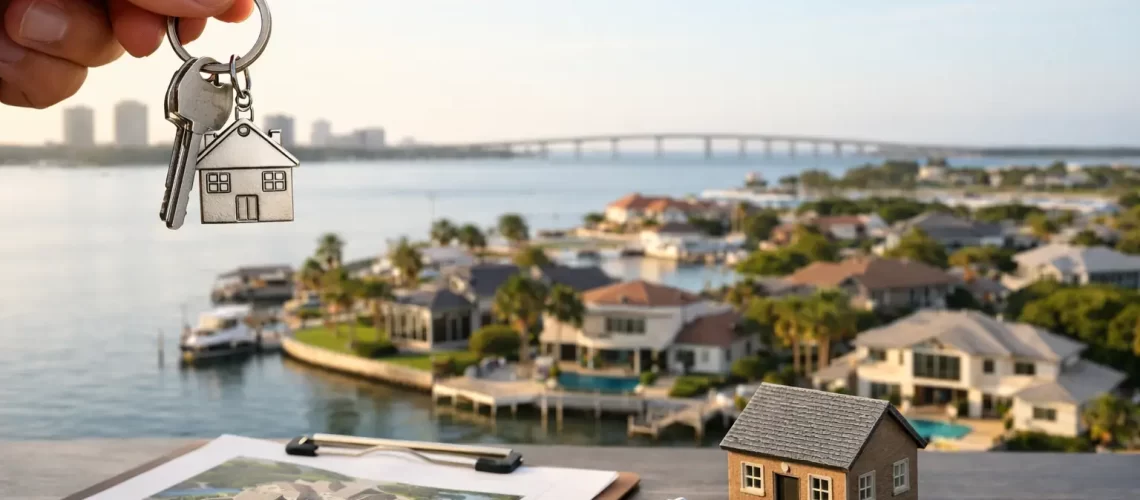
A morning walk along Tampa Bay, a short drive to the Gulf, dinner in downtown St. Petersburg, or a quiet street near everyday conveniences can all be part of the search for Pinellas County homes. The appeal is real, but so is the variety. A home that looks ideal online may carry very different insurance, maintenance, commute, or lifestyle considerations than another property only a few miles away.
The right purchase is rarely about finding the single “best” home in the county. It is about finding the home that fits your priorities, your comfort level with upkeep, and the way you want to live over the next several years. That requires looking past square footage and finishes to understand the location, condition, and full cost of ownership.
Why Pinellas County Homes Require a Local Lens
Pinellas County is compact, but it is not uniform. Buyers can choose from historic bungalows and newer townhomes, downtown condominiums, suburban single-family homes, golf course communities, Gulf-front residences, and waterfront properties with boat access. Each setting brings a distinct rhythm and a different set of questions.
For example, a buyer drawn to the energy of downtown St. Petersburg may prioritize walkability, building amenities, parking, and monthly condominium fees. Someone considering Seminole, Largo, Palm Harbor, or Safety Harbor may place more value on a yard, storage, a garage, or proximity to daily errands. Along the beaches and waterfront, the view and access may be central to the decision, but construction, elevation, flood exposure, insurance options, seawall condition, and rental rules can carry equal weight.
There is no universally correct trade-off. A move-in-ready condo can simplify maintenance but may have association rules and recurring fees. An older home with character may offer a location you love while requiring a thoughtful plan for updates. Local guidance helps turn those differences into clear, practical choices.
Start With Your Non-Negotiables
Before touring homes, separate your needs from your preferences. This step sounds simple, yet it prevents many buyers from becoming distracted by attractive staging or a renovated kitchen that does not solve the larger lifestyle question.
Think about how you use a home on an ordinary Tuesday, not just on moving day. Do you need a dedicated office, flexible space for family visits, or a first-floor bedroom? Is a low-maintenance property more valuable than a larger yard? Would you rather be close to restaurants and cultural events, or have more privacy and room to spread out?
It also helps to define what you are willing to manage. Some buyers are happy taking on cosmetic projects over time. Others want a home that is ready for day-one living. Neither approach is better, but being honest about your budget, schedule, and appetite for repairs will make the search more efficient.
Look Beyond the Drive Time
Maps can estimate a commute, but they cannot tell you how a route feels during the time you will actually use it. When a neighborhood rises to the top of your list, visit at different times of day if possible. Notice traffic patterns, parking, noise, sidewalks, nearby services, and the general pace of the area.
For many buyers, proximity to the water is a major part of the Pinellas lifestyle. Consider whether you want to see the water, walk to it, launch a boat from it, or simply enjoy easy access to it. Those are very different goals, and they can lead to very different property types and ownership responsibilities.
Evaluate the Home, Not Just the Finishings
Fresh paint and new fixtures can make a strong first impression, but the most consequential details are often less visible. A careful review of a home’s age, systems, and maintenance history provides a clearer picture of what ownership may look like after closing.
In Florida, roofs, windows, plumbing, electrical systems, HVAC equipment, and drainage deserve particular attention. The age and condition of these components can affect comfort, future repair planning, and insurability. A professional inspection is an essential part of due diligence, but buyers also benefit from asking thoughtful questions early in the process.
Ask when major systems were replaced, whether permits were obtained for significant improvements, and whether the seller has records of repairs or maintenance. If a property has a pool, dock, seawall, or other specialized feature, make sure it receives appropriate attention during inspections. These features can add tremendous enjoyment, but they should be understood with the same care as the house itself.
A home does not need to be perfect to be a good choice. The goal is to recognize the difference between manageable improvements and expenses that could change the value of the opportunity for you.
Flood Zones and Insurance Are Part of the Decision
Florida-specific ownership costs should be considered early, especially for homes near the coast, bays, canals, or other water features. Flood zone information, elevation, prior claims, wind mitigation features, and the condition of the roof can all influence available insurance options and costs.
This is not a reason to avoid waterfront or coastal homes. It is a reason to evaluate them thoroughly. Two properties with similar views and purchase prices can have meaningfully different ownership profiles based on their construction, elevation, location, and insurance history.
Request the available property information, review disclosures carefully, and speak with qualified insurance professionals before finalizing your decision. Your real estate advisor can help identify the questions to ask and coordinate the right due-diligence steps, while insurance and legal professionals can advise on matters within their specialties.
For condominium buyers, the building matters as much as the individual unit. Review association documents, budgets, rules, reserve information, pending assessments, and maintenance plans. A well-run association can support a smoother ownership experience, while an unclear financial picture deserves closer attention. Monthly fees should always be considered alongside the services, amenities, and responsibilities they cover.
Compare Value in Context
It is natural to compare homes by price per square foot, bedroom count, or renovation level. Those metrics can be useful, but they do not tell the whole story in a market as varied as Pinellas County.
A smaller home in a highly walkable setting may serve your life better than a larger home farther from the places you visit most. A house with a newer roof and impact-rated windows may offer value that is not immediately obvious in listing photos. A condominium with higher monthly fees may include maintenance, insurance components, or amenities that change the overall equation.
When comparing properties, look at the total picture: purchase price, anticipated insurance, association fees where applicable, utility needs, maintenance expectations, and likely improvements. Then weigh that against the location and daily lifestyle the home provides.
This is also where a clear pricing strategy matters. A home can attract attention without being the right value for your goals. Reviewing comparable sales, active competition, days on market, and property-specific features helps you make an offer based on evidence rather than pressure or emotion alone.
A Thoughtful Offer Protects Your Options
When you find a home you want, speed can matter, but clarity matters more. A strong offer is not always the highest number. It is an offer with terms that make sense for your financial position and the property’s condition.
Inspection periods, financing terms, appraisal considerations, and requested seller concessions all deserve careful discussion. The right structure depends on the property and the level of competition, so there is no one-size-fits-all offer strategy. What matters is understanding the risks you are accepting and having an advocate who can communicate your position clearly.
Buyers relocating to the area often benefit from additional planning. Virtual tours and remote coordination can help narrow the field, but a local perspective remains valuable when it comes time to assess a street, a building, a view corridor, or the condition of a waterfront feature. Kinest Realty approaches those details with the care they deserve, because a successful purchase should feel informed, not rushed.
Choosing a Home You Can Feel Good About
The best Pinellas County homes are not defined by a single feature. They are the properties where location, condition, cost, and future plans come together in a way that feels sustainable. Sometimes that means choosing the neighborhood you love and planning a renovation. Sometimes it means selecting a lower-maintenance home that gives you more freedom to enjoy the area.
Give yourself permission to ask questions, revisit a property, and slow down when something is unclear. A home purchase is both a financial decision and a deeply personal one. With thoughtful preparation and trusted local guidance, you can move forward with a clearer sense of what fits your life and what is worth passing by.
