
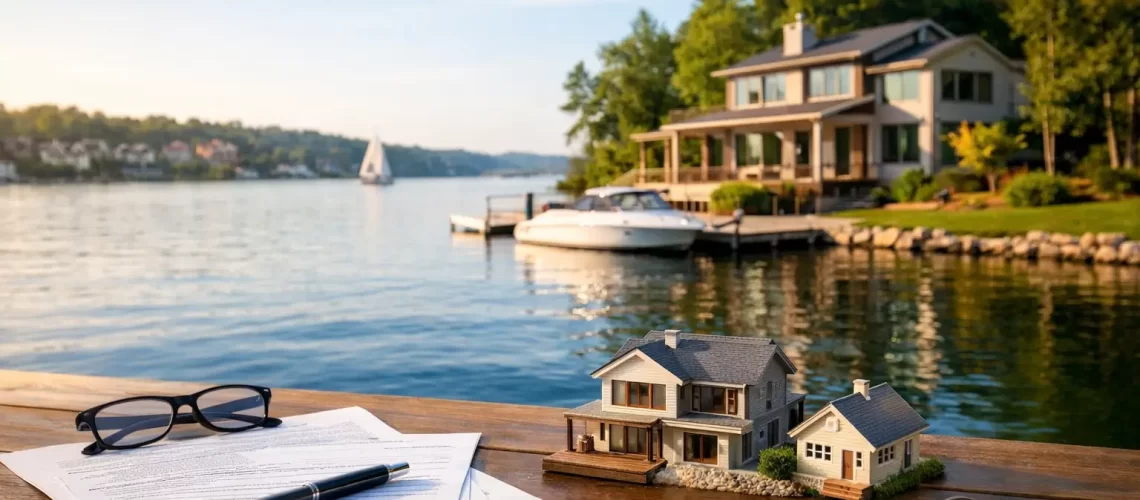
A waterfront home can change the rhythm of daily life: morning light over the bay, a dock outside the back door, or a short walk to the Gulf. But is waterfront property a good investment beyond the lifestyle appeal? In Tampa Bay, the answer is often yes for a well-chosen property with a realistic ownership plan. It is not an automatic yes, though. Water access, condition, insurance, elevation, maintenance, and neighborhood demand all shape the financial outcome.
For buyers, the goal is not simply to find a beautiful view. It is to understand what supports that view’s long-term value and what it will cost to protect it. For sellers, recognizing these same factors helps position a waterfront home with confidence and clarity.
Is Waterfront Property a Good Investment in Florida?
Waterfront property tends to have a built-in advantage: there is a limited amount of it. A home on Tampa Bay, the Intracoastal Waterway, a canal with boating access, or near the Gulf cannot be replicated in the same way as a home farther inland. That scarcity can support demand, particularly in established coastal communities where buyers value water views, boating, beach access, and a distinctive Florida lifestyle.
Still, “waterfront” is not one category. A protected canal home with direct access to open water may appeal to a very different buyer than a condominium with a distant water view. A house on the bay may offer extraordinary scenery while also facing greater exposure to wind and waves. Two homes with similar square footage and the same general ZIP code can perform very differently because their water access, elevation, dock condition, and insurance profile are not the same.
The strongest investment case usually comes from buying a property that works both emotionally and practically. It should fit the way you plan to live, hold up under careful inspection, and remain appealing to the next likely buyer when it is time to sell.
What Creates Value Beyond the View
A water view is compelling, but usable access often carries even more weight. Buyers should look closely at the details that determine how the property can be enjoyed.
Water type and access matter
Consider whether the home sits on open water, a protected canal, a lake, or the Intracoastal. For boating buyers, ask how quickly and easily they can reach open water, whether fixed bridges limit boat height, and whether water depth is appropriate for their needs. A private dock, lift, seawall, and protected mooring can add meaningful utility, but their age and condition matter as much as their presence.
Not every buyer wants a boat. Some are drawn to sunrise views, wildlife, paddleboarding, or the calm of living near the water. That is why homes with broad views, walkable access to the shoreline, or a strong connection to nearby beach and downtown amenities can attract a wide pool of future buyers.
Location still leads the decision
Waterfront location is more granular than most buyers expect. A quiet residential street in St. Petersburg, a beach community condominium, and a waterfront home near dining and marinas may all be desirable for different reasons. Proximity to everyday conveniences, road access, parking, nearby recreation, and the character of the immediate setting influence how a property lives year-round.
It is also worth studying the view itself. Is it likely to remain open? Are there utility lines, neighboring structures, or future changes that could affect privacy or sightlines? A view is valuable, but a durable view is more valuable.
Condition protects the investment
Salt air, humidity, wind, and water are hard on a home. Exterior finishes, windows, roofing, HVAC systems, docks, lifts, seawalls, and landscaping often need more attentive care near the coast. A property that has been thoughtfully maintained may justify a higher price than one with deferred work hiding behind a remarkable view.
Buyers should allow for specialized inspections when appropriate. A standard home inspection is essential, but a dock, seawall, roof, pool, or marine structure may warrant its own evaluation. Understanding these items before the purchase helps prevent a beautiful property from becoming a stressful surprise.
The Costs That Can Change the Math
A waterfront purchase should be evaluated as a full ownership picture, not just a purchase price. Insurance is one of the most significant variables in coastal Florida. Flood zone designation, elevation, construction features, prior claims history, roof age, and the type of coverage available can all affect the cost and terms of insuring a home.
Request insurance information early in your due diligence period and compare it carefully. If flood coverage may be needed, understand the available options and the property-specific details insurers will review. Buyers should also ask for documentation related to past improvements, permits, mitigation features, and any existing elevation information when available.
Maintenance deserves its own line item in the budget. Salt exposure can accelerate wear. Seawalls and docks have finite lifespans, and landscape drainage needs regular attention. If the home is part of a condominium or homeowners association, review the association’s financial health, reserves, rules, and planned projects. A lower monthly fee is not always the better value if major work has been postponed.
For buyers considering rental income, confirm the current rental rules before relying on projected revenue. City regulations, association restrictions, minimum lease periods, registration requirements, and occupancy rules can affect how the property may be used. A home that makes sense as a personal retreat may not be suitable for a short-term rental strategy, and that distinction should be clear before an offer is written.
How to Evaluate a Waterfront Home Before You Offer
The most confident waterfront buyers are thorough before they become emotionally committed. Begin by identifying your primary purpose. Are you buying a full-time residence, a seasonal home, a future retirement home, or a property that may be rented at times? Your answer should guide which features are essential and which are simply appealing.
Then compare properties based on more than list price. Look at the quality of the water view, the functional water access, lot and building elevation, construction year, recent improvements, insurance estimates, and expected near-term repairs. A less expensive waterfront home can cost more over the first few years if it needs a roof, seawall work, major window upgrades, or extensive storm preparation.
When reviewing comparable sales, focus on truly comparable waterfront characteristics. A nearby home without a dock, open-water exposure, or the same view corridor may not provide a useful benchmark. This is where local expertise matters. Waterfront value is highly specific, and broad neighborhood averages often miss the features buyers actually pay for.
A strong offer strategy also recognizes that the due diligence period is not a formality. It is the time to verify the property’s condition, insurability, association requirements, and practical fit. Being prepared does not mean rushing. It means knowing which questions need answers before your decision becomes final.
When Waterfront May Not Be the Right Investment
Waterfront ownership is not the best fit for every budget or every lifestyle. If the cost of insurance, maintenance, and reserve planning would create ongoing pressure, a home near the water may offer more peace of mind than a home directly on it. Buyers who travel frequently or prefer very low-maintenance ownership may also find that a newer condo with professionally managed exterior care better matches their needs.
Likewise, a property should not be purchased solely because it is expected to appreciate. Markets can shift, holding periods matter, and every property has its own strengths and limitations. The healthiest approach is to buy a home you would be comfortable owning through normal market cycles, with costs you can reasonably manage and a location that remains meaningful to future buyers.
A Better Way to Make the Decision
Waterfront real estate rewards careful attention. The right property can offer a rare blend of personal enjoyment, limited supply, and lasting buyer appeal. The wrong fit can bring costs and responsibilities that were never fully considered.
At Kinest Realty, we help clients look past the postcard view and evaluate the details that shape a confident decision. The best waterfront investment is not necessarily the most dramatic home on the water. It is the one whose location, condition, ownership costs, and future market appeal all support the life you want to build there.
