
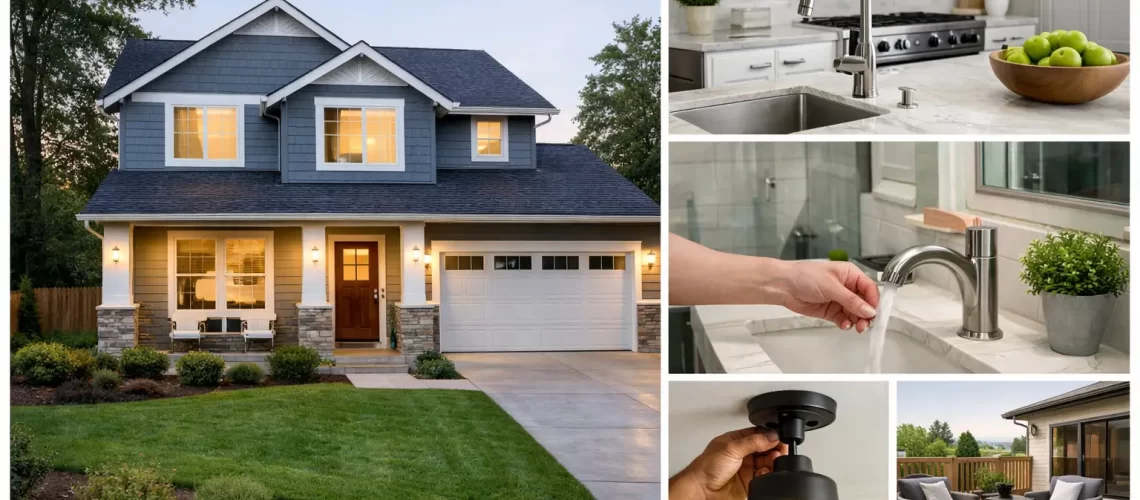
The fastest way to waste money before a sale is to renovate for your own taste instead of for the market. When sellers ask about the best upgrades before selling house, the right answer is usually not a full remodel. It is a focused plan that makes the home feel clean, cared for, and easy for a buyer to say yes to.
In our market, that matters even more. Buyers in places like St. Petersburg and across Tampa Bay often compare homes quickly online, then decide within minutes of walking in whether a property feels move-in ready or like a project. The goal is not to make your house perfect. The goal is to improve the details that shape value, first impressions, and buyer confidence.
What buyers actually respond to
Most buyers are not calculating the exact cost of every future update. They are reacting emotionally first, then financially second. A home that feels bright, fresh, and well maintained tends to earn more attention than a home with expensive but highly personal upgrades.
That is why the best pre-sale improvements usually fall into two categories. The first is cosmetic updates that photograph well and make showing appointments stronger. The second is practical fixes that remove red flags, especially anything that suggests deferred maintenance.
Best upgrades before selling house: start with paint and repairs
If you only have budget for a few improvements, start here. Fresh interior paint is one of the most reliable upgrades because it changes the feel of the entire home without requiring a major investment. Neutral tones help rooms look larger, brighter, and easier for buyers to picture as their own.
Minor repairs matter just as much. Loose handles, scuffed trim, cracked caulk, sticking doors, and chipped outlet covers may seem small, but together they tell a story. Buyers notice patterns. If a house shows a dozen little maintenance issues, they may assume there are bigger ones they cannot see.
This is especially important in homes going through a transition like probate, divorce, or a long-distance sale. When a property has not been updated in a while, a clean repair list can do more for perception than one flashy project.
Improve lighting before you touch anything major
Lighting is one of the most overlooked upgrades before listing, and it has an outsized impact. Dark rooms feel smaller. Yellowed or mismatched bulbs make a home look older. Outdated fixtures can quietly date a space even when everything else is acceptable.
A simple lighting refresh might include replacing builder-grade fixtures in dining areas and entryways, updating bathroom vanity lights, and making sure every bulb is the same temperature. Soft white or bright warm light usually feels clean and welcoming without becoming harsh.
Natural light matters too. Heavy drapes, damaged blinds, and dirty windows can work against an otherwise strong listing. Before showings, open everything up and let the house feel airy.
Kitchens sell homes, but full remodels do not always pay off
Sellers often assume the kitchen needs a complete renovation before going on the market. Sometimes it does. More often, it needs a smart edit.
If cabinets are structurally sound, painting or refinishing them can dramatically improve the room for far less than replacement. New hardware, updated lighting, fresh caulk, and a simple faucet swap can also make the kitchen feel current. If countertops are badly worn, replacing them may be worth it, but that depends on the price point of the home and what buyers expect in that neighborhood.
What usually does not make sense is installing a luxury kitchen in a house where the surrounding market will not support it. A beautiful renovation can still be the wrong financial choice if buyers see it as over-improved for the area.
Bathrooms should feel fresh, not fancy
The same principle applies to bathrooms. Buyers want clean, bright, and functional. They are less concerned with high-end finishes than sellers sometimes expect.
Regrouting tile, replacing a dated mirror, updating vanity lighting, installing a new faucet, and swapping out worn toilet seats can go a long way. If the vanity is in rough shape, replacing it may be worthwhile. If the layout works and the surfaces are clean, a total gut job is often unnecessary.
A bathroom that feels spotless and simple tends to perform better than one with trendy finishes that may not appeal to everyone.
Curb appeal still shapes the sale
Before buyers see your floors, countertops, or staging, they see the front of the house. That first impression influences how they interpret everything that follows.
The good news is that curb appeal does not have to be expensive. Pressure washing, fresh mulch, trimmed landscaping, a newly painted front door, and updated house numbers can make a meaningful difference. If the mailbox, porch light, or front hardware looks worn, replacing those pieces is usually money well spent.
In Florida, exterior presentation also signals maintenance. Buyers are often alert to roof age, drainage issues, wood rot, and general weather wear. A tidy exterior gives reassurance that the property has been cared for, even before inspections begin.
Flooring can help or hurt more than sellers expect
Few things pull down buyer perception faster than damaged flooring. Stained carpet, cracked tile, peeling vinyl, and heavily scratched surfaces can make an otherwise solid home feel tired.
That does not mean every seller should install all-new flooring. Sometimes a professional deep clean is enough. Sometimes replacing carpet in just the bedrooms makes sense. In other cases, inconsistent flooring from room to room creates visual clutter and is worth correcting.
The best choice depends on the condition of what you already have and the price bracket of your home. A modest, clean, cohesive flooring update usually delivers better value than an expensive material upgrade buyers may not pay extra for.
Do not ignore the systems buyers worry about
Cosmetic upgrades get attention, but mechanical concerns shape offers. If the HVAC is not functioning properly, the water heater is leaking, or visible plumbing issues exist, those problems can overshadow every decorative improvement you make.
Florida buyers are also sensitive to practical ownership costs. Anything that supports confidence in the home’s condition can be valuable, especially if the property is older or has sat vacant. This does not mean you need to replace every aging system before listing. It means you should know what is working, what is not, and what needs repair now versus what can be priced accordingly.
That is where strategy matters. Some updates should be completed before the home hits the market. Others may be better handled through pricing, disclosures, or negotiation planning.
The best upgrades before selling house depend on your price point
A condo, a downtown bungalow, and a waterfront property do not all need the same pre-listing plan. Buyer expectations change based on location, property type, and price range.
In an entry-level home, buyers may care most about clean finishes, working systems, and affordability. In a higher-end property, details like designer lighting, polished outdoor spaces, and a more refined kitchen presentation may matter more. For waterfront or coastal homes, maintenance cues carry extra weight because buyers are already thinking about exposure to salt air, moisture, and insurance-related considerations.
This is why a generic renovation checklist can be misleading. The right upgrades are market-specific and budget-specific.
Where sellers often overspend
The most common mistake is doing too much in the wrong places. Custom built-ins, high-end appliances, luxury wallpaper, elaborate landscaping, and major layout changes rarely offer the best return right before a sale unless the home is in a segment where buyers truly expect them.
Another mistake is upgrading one room so aggressively that the rest of the house feels left behind. A brand-new luxury kitchen next to original bathrooms and worn flooring can make the home feel inconsistent rather than elevated.
If you are trying to spend wisely, aim for cohesion. Buyers respond well when the whole property feels fresh, even if no single finish is especially extravagant.
A smarter way to decide what to do
Before spending money, get clear on three things: your likely buyer, your likely list price, and the condition issues that could weaken your position. From there, prioritize improvements that either increase visual appeal immediately or remove objections that could show up during showings and inspections.
This is where local guidance matters. A thoughtful pre-listing walk-through can help you separate upgrades that add value from upgrades that simply add cost. Sometimes the best move is paint, lighting, landscaping, and repairs. Sometimes it is flooring and a light kitchen refresh. Sometimes the right answer is to do less, price correctly, and let the next owner take on the bigger renovations.
At Kinest Realty, that kind of planning is part of helping sellers make calm, informed decisions instead of expensive guesses.
If you are preparing to sell, think less about impressing buyers with big renovations and more about making the home feel easy to trust. That is often what turns a showing into an offer.
