
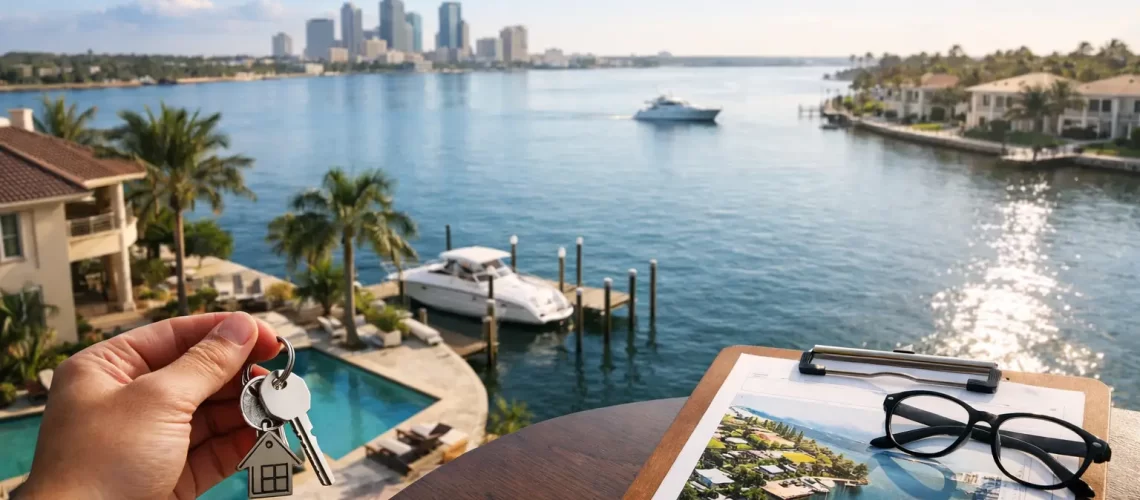
A waterfront address can change the rhythm of an ordinary day. Coffee on the dock, a sunset over the bay, a quick paddle before dinner – those moments are real, and they are a large part of what makes Tampa Bay living so meaningful. But a beautiful view is only one part of a sound purchase. This Tampa Bay waterfront buyers guide is designed to help you look beyond the waterline and make a decision that fits your lifestyle, budget, and long-term comfort.
Waterfront homes and condos are not one category. A protected canal home in St. Petersburg, a Gulf-front condo on the beaches, and a bayfront residence in Clearwater each come with a different ownership experience. The best choice depends on how you plan to use the property, how much maintenance you are comfortable managing, and which details matter most to you every day.
Start With the Water You Want to Live Near
Before comparing square footage or finishes, consider your relationship with the water. Do you want open-water views, boating access, a sandy beach, or simply the calming presence of a canal outside your window? These preferences affect price, upkeep, insurance considerations, and even the way you use the home.
Open-water properties can offer remarkable views and quick access to Tampa Bay or the Gulf. They may also have greater exposure to wind, waves, and changing water conditions. Canal-front homes often provide a more sheltered setting and can be ideal for boat owners, but canal width, bridge clearance, water depth, and route to open water deserve careful review.
For beach buyers, proximity matters in practical ways. A building directly on the sand offers a different experience from one a few blocks inland with water views. Think about the level of activity, seasonal visitors, parking patterns, and maintenance demands that will feel right for your household. There is no universally better waterfront setting – only the one that supports the life you want to lead.
Read the Flood Zone as a Planning Tool
Flood information should be part of the conversation early, not a detail saved for the final week of a transaction. A flood zone designation can influence insurance requirements, insurance cost, rebuilding considerations, and your overall comfort with the property.
Ask for available flood-related documentation and review the home’s elevation information when applicable. The elevation of the structure, not merely its location near water, can meaningfully affect risk and insurance options. It is also wise to understand whether the home has a history of water intrusion, what improvements were made after past storms, and whether permits and records support those improvements.
A waterfront property does not have to be a deal-breaker because it is in a flood zone. It does mean the purchase deserves a clear-eyed plan. Buyers benefit from obtaining insurance estimates early and discussing coverage details with a qualified insurance professional before removing contingencies. This protects your budget from surprises and gives you more confidence in the offer you make.
Look Closely at Seawalls, Docks, and Boat Access
The shoreline infrastructure can be as important as the house itself. Seawalls, docks, boat lifts, pilings, and related equipment are valuable features, but they have useful lives, maintenance needs, and replacement costs that should be understood before closing.
A visual walkthrough is not enough. During inspections, ask qualified professionals to evaluate the visible condition of the seawall and dock components. Cracking, leaning, erosion, deteriorated cap sections, loose boards, or aging pilings may point to work that needs attention. The goal is not to expect a flawless seawall or dock, especially on an older property. It is to understand present condition, likely near-term needs, and whether the asking price reflects them.
If boating is part of your vision, verify the details that affect your actual use. Consider the water depth at the dock, bridge heights along the route, the presence of fixed bridges, and whether the lift is sized appropriately for your vessel. Boat ownership is highly personal, so general descriptions such as “deep water” or “easy Gulf access” should be confirmed against your intended use.
Evaluate the Home Beyond Its View
Waterfront homes can be exceptionally well-built, but their location calls for thoughtful maintenance. Salt air, humidity, wind exposure, and intense sun can affect exterior paint, windows, roofs, HVAC equipment, metal fixtures, and outdoor living areas. A thorough home inspection helps identify current concerns, while a four-point inspection may be useful for understanding key systems often reviewed by insurers.
Pay attention to drainage, grading, exterior doors, window condition, and the age and installation of major systems. Ask whether the home has impact-rated windows or shutters and how storm protection is managed. These features can affect preparation time, maintenance responsibilities, and insurance discussions.
Inside, do not let a dramatic view rush your evaluation. Open every cabinet, test doors and windows, notice storage, and imagine the home during a rainy week rather than only on a bright showing day. Waterfront living is most rewarding when the property works as a home first and a view second.
Condo Buyers Need a Different Due Diligence Process
A waterfront condo can offer a lower-maintenance way to enjoy the coast, but the building itself deserves close scrutiny. Your purchase is not limited to the unit. You are also buying into the financial health, physical condition, rules, and shared responsibilities of the condominium association.
Review the association’s budget, reserves, meeting minutes, insurance information, rules, rental policies, and any known or planned special assessments. Ask about completed and upcoming capital projects, including roof work, elevators, balconies, parking structures, plumbing, seawalls, and exterior restoration. The documents can reveal how the community approaches maintenance and whether expenses may change your ownership picture.
Monthly fees should be evaluated in context. A higher fee may include meaningful services, reserves, or insurance components; a lower fee may leave more costs outside the budget or signal limited reserves. Neither is automatically good or bad. What matters is understanding what is included, what is excluded, and how the building is being cared for.
Let Insurance and Carrying Costs Shape the Search Early
The purchase price is only the beginning of the waterfront financial picture. In addition to homeowners or condo insurance, buyers may need flood insurance, wind-related coverage, dock or seawall maintenance, association fees, boat lift servicing, landscaping, pool care, and higher utility costs for a larger or more exposed home.
Build a realistic monthly and annual ownership estimate before becoming emotionally attached to a property. If two homes have similar prices but very different insurance, association, or maintenance profiles, the more affordable-looking option may not be the better long-term fit.
This is especially important for buyers relocating to Florida. Cost expectations from another region do not always translate neatly to Tampa Bay’s coastal market. A local real estate advisor can help you identify the right questions, coordinate timing with inspections and insurance quotes, and compare properties on more than their list price.
Choose a Location That Works When You Are Not on the Water
Waterfront living should still make daily life easy. Consider the drive to work, healthcare, restaurants, airports, groceries, friends, and the activities that matter most to you. A home can feel wonderfully private while still being inconvenient for the routines that shape most weeks.
Spend time in the area at different hours if possible. Morning traffic, weekend beach activity, neighborhood noise, and parking conditions can vary considerably. In downtown St. Petersburg, for example, bayfront access may be paired with walkability and cultural energy. On a barrier island, beach access and sunsets may come with a more seasonal pace. Both can be excellent choices when they align with how you want to live.
Make an Offer With Room for Discovery
A strong waterfront offer balances competitiveness with appropriate due diligence. Inspection periods, document review, insurance investigation, and financing timelines give buyers the opportunity to confirm the property is what it appears to be. Removing protections too quickly can create unnecessary risk, while overly broad requests can weaken an otherwise appealing offer.
This is where experienced local guidance matters. Kinest Realty helps buyers organize the moving parts, ask informed questions, and stay focused when a property is emotionally compelling. The purpose is not to eliminate every uncertainty – no home can offer that – but to make sure you understand the uncertainties you are accepting.
The right waterfront home should feel inspiring without requiring you to ignore the practical details. When the shoreline, structure, ownership costs, and location all support your plans, you can spend less time second-guessing and more time enjoying the reason you started looking: life near the water.
