
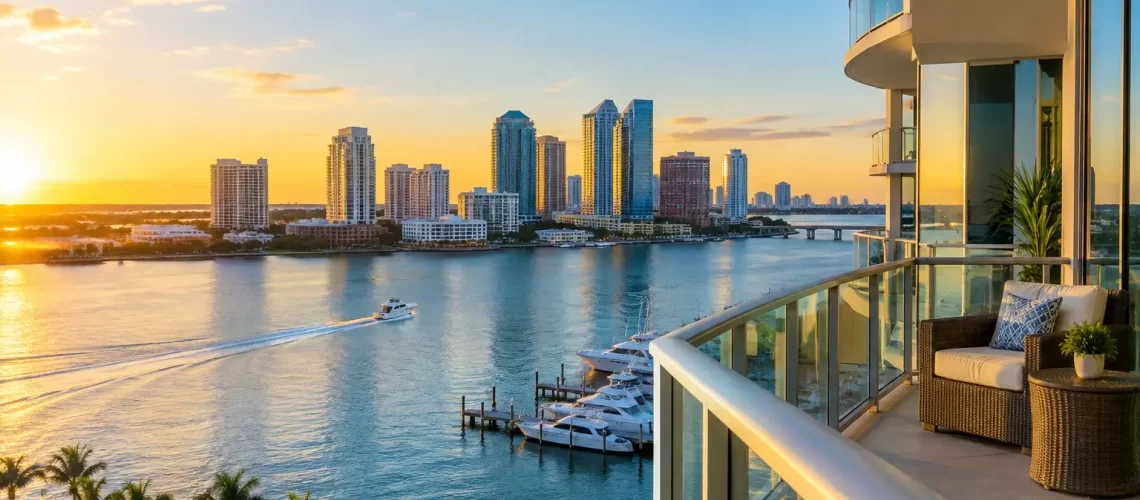
A Gulf view can make a condo feel like the right home within minutes. Then the insurance questions begin – and they should. For buyers considering St. Pete Beach, Tierra Verde, Madeira Beach, Clearwater Beach, or another waterfront community, asking are coastal condos insurable is not just a box to check before closing. It is a question about monthly costs, financing, the building’s financial health, and how confidently you can own the property through future storm seasons.
The short answer is yes: many coastal condos are insurable. But the coverage, availability, cost, deductibles, and responsibilities can look very different from one building to the next. A beautiful unit is only part of the purchase. The condominium association, its master policy, the building’s condition, and the unit’s location all deserve a close look.
Are Coastal Condos Insurable? Usually, With Important Conditions
A coastal condo does not become uninsurable simply because it sits near the water. Florida has many well-managed, insured condominium communities along the coast. Still, insurers assess risk carefully, particularly for wind, hurricane exposure, water damage, roof condition, building age, claims history, and the strength of the association’s maintenance practices.
Insurance for a condo is also split between two parties. The condominium association generally carries a master policy for the building and common elements. The unit owner typically purchases an individual condominium policy, often called an HO-6 policy, to cover personal belongings, interior finishes that are their responsibility, personal liability, and certain loss assessments.
That division matters. Two condos with similar views and similar list prices can have very different insurance realities because their associations have different master-policy terms, deductibles, reserves, or repair histories.
Start With the Association’s Master Policy
The master policy is one of the most consequential documents in a coastal condo purchase. It can cover the building structure, exterior walls, roof, common areas, and association liability, but its exact scope depends on the policy and the condominium documents.
Buyers should not assume that “insured” means every component of the unit is covered after a storm. In some communities, the association policy may cover the building to a basic original condition. In others, it may extend further into the unit. The governing documents and policy language determine where the association’s responsibility ends and the owner’s begins.
Ask for the association’s insurance declaration page and have your insurance professional review it. Pay attention to the carrier, coverage limits, renewal date, wind or hurricane deductible, flood coverage, exclusions, and whether coverage has changed recently. A policy that is in place today may renew at a different premium or deductible next year, so the current paperwork is a starting point, not a lifetime guarantee.
The deductible deserves special attention. Hurricane deductibles can be substantial, often calculated as a percentage of insured value rather than a flat dollar amount. If the association sustains a covered loss, owners may face a special assessment if insurance proceeds and available reserves do not fully meet the cost of repairs. That does not mean a building is a poor choice. It means the buyer should understand the potential exposure before making an offer.
Flood Insurance Is a Separate Conversation
Wind coverage and flood coverage are not interchangeable. A master policy may include wind coverage while flood insurance is purchased separately, or it may have a flood policy with limits that do not address every possible expense after a major event.
For a condo buyer, the practical question is not only whether the building has flood coverage. It is also whether you need an individual flood policy for the unit and belongings, whether your lender requires it, and what the policy would cover. Elevation, floor level, flood zone, parking configuration, and the building’s construction can all affect the answer.
A top-floor unit may have less direct exposure to rising water inside the residence, but the building can still experience flood-related damage to lobbies, elevators, electrical systems, garages, and shared mechanical equipment. Those repairs can affect association finances and daily life even when your individual unit remains dry.
Building Condition Can Affect Availability and Cost
Insurers do not only evaluate a condo’s distance from the Gulf or bay. They also look at the building itself. Older buildings can remain highly desirable and well cared for, especially in established coastal communities, but they may require more underwriting review.
Roof age, electrical systems, plumbing, windows, prior storm repairs, and ongoing maintenance can all influence insurance options. Recent improvements such as a newer roof, impact-rated windows, updated building systems, and documented repairs may support a stronger insurance profile. On the other hand, deferred maintenance or unresolved structural concerns can narrow coverage choices and increase costs.
Florida’s condominium inspection and reserve requirements have also made association records more meaningful to buyers. Review available milestone inspection information, structural integrity reserve studies, board meeting minutes, budgets, and reserve funding. These documents do not predict every future expense, but they help reveal whether the association is actively planning for the building’s needs.
Why Your Lender May Care as Much as You Do
If you are financing the purchase, your lender will have its own insurance requirements. The lender may need confirmation that the association carries acceptable master coverage and that flood insurance is in place when required. If the building’s coverage is insufficient, expired, or difficult to verify, it can delay the loan process.
This is one reason to begin insurance conversations early, ideally before the end of an inspection or due-diligence period. Waiting until the final week before closing can leave little time to compare individual policies, clarify association documents, or address lender questions.
Cash buyers should do the same work. Skipping a lender does not eliminate the financial risk of owning a unit in a building with a high deductible, limited coverage, or an underfunded reserve position.
A Practical Insurance Review Before You Commit
A thoughtful coastal condo purchase involves a coordinated review rather than a quick quote. Your real estate advisor, lender, insurance professional, and condominium association each hold different pieces of the picture.
Before moving forward, request the association’s current insurance certificate or declaration page, the applicable deductible information, the budget, reserve details, recent meeting minutes, and any notices of pending assessments or major projects. Then ask your insurance agent for a unit-specific quote based on the master-policy documents, not general assumptions about the community.
It is also wise to budget for more than the quoted annual premium. Consider the association fee, possible increases tied to insurance renewal, your own wind or flood deductible, and a reasonable reserve for ownership surprises. A lower-priced waterfront condo is not necessarily less expensive to own if the building carries unusually high future repair or insurance exposure.
The Right Question Is Bigger Than “Can I Get a Policy?”
Insurance availability matters, but it is only one measure of a condo’s readiness. A well-informed buyer asks whether the coverage structure makes sense, whether the association is managing risk responsibly, and whether the total cost of ownership fits comfortably into the plan.
Some buyers may find that a newer building farther from the shoreline offers a more predictable insurance profile. Others may decide that the location, lifestyle, and long-term enjoyment of a beachfront residence justify higher costs and more careful planning. Neither choice is universally right. The best decision is the one made with clear documents, realistic numbers, and no last-minute surprises.
Coastal condo ownership can be deeply rewarding, especially when the building and the insurance picture have been examined with the same care as the view from the balcony. A patient review early in the process gives you room to choose a home you can enjoy with greater confidence.
